Mysore Dasara & Hampi Utsav: Karnataka's Best Festival Trips
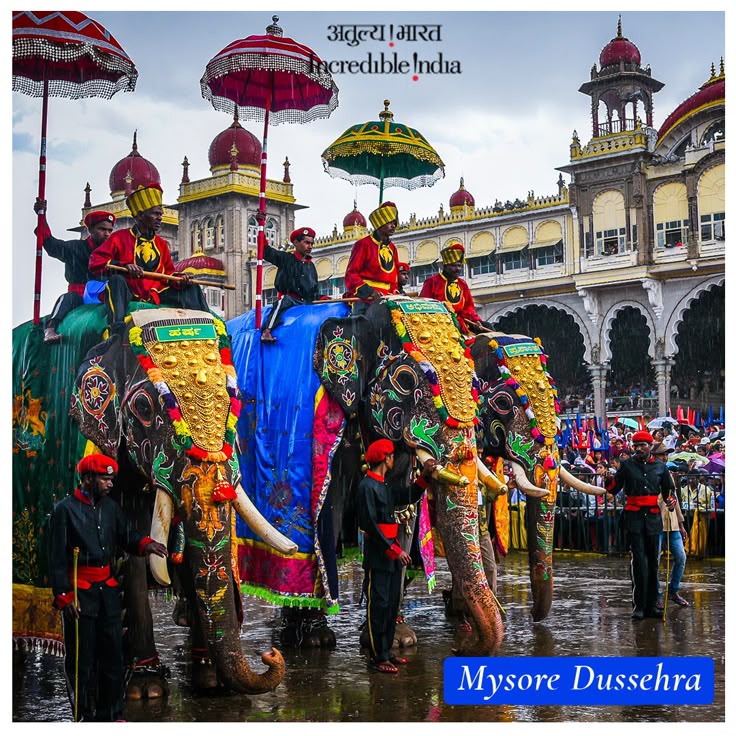
Mysore Dasara is Karnataka's signature cultural event, and few festivals anywhere in India combine royal heritage, religious significance, and sheer visual spectacle quite the way it does — the illuminated Mysore Palace and the grand Jumbo Savari procession draw considerable domestic and international attention every year during the festival's September or October dates. A lesser-known but genuinely rewarding alternative, Hampi Utsav, typically held the following month in November, offers a quieter, more intimate cultural celebration set against the dramatic backdrop of Hampi's UNESCO ruins, featuring classical music, dance, and cultural programs that showcase Karnataka's heritage in a completely different setting. What makes festival-timed travel genuinely different from a standard sightseeing trip is the built-in urgency: accommodation for both festivals needs booking well ahead, since rooms in Mysore and around Hampi both sell out considerably faster than during a normal visit, and most existing content covers only the festival dates and schedule without addressing the practical planning — where to actually watch the procession, how early to book, how to manage the inevitable crowds — that makes the difference between a frustrating festival trip and a genuinely memorable one. This guide covers when each festival happens, the best viewing spots for Mysore's famous procession and palace illumination, realistic accommodation booking timelines, and how to combine both festivals into a single extended Karnataka trip if timing allows.
Frequently Asked Questions
01. When is Mysore Dasara in 2026?
01. When is Mysore Dasara in 2026?
Mysore Dasara follows the Hindu lunar calendar rather than a fixed Gregorian date, meaning its exact dates shift somewhat from year to year, though the festival consistently falls within the broader September-to-October window each year, aligned with the wider Navaratri and Dussehra celebrations observed across India. Given this lunar-calendar basis, travellers planning a trip specifically around Mysore Dasara should check the current year's confirmed dates through Karnataka's official tourism sources or the Mysore district administration closer to their planned travel time, rather than relying on a fixed date carried over from a previous year's celebration. The festival typically spans roughly ten days, building from Navaratri through to the climactic Vijayadashami day, which features the famous Jumbo Savari procession as the festival's grand finale, making the final one or two days of the festival period the single most spectacular and most crowded window for anyone specifically wanting to witness the procession itself. The Mysore Palace illumination, a separate but related highlight where the palace is lit with thousands of lights, typically runs on Sundays and public holidays throughout the broader festival period in addition to specific festival dates, giving visitors some flexibility beyond just the single procession day if travel timing doesn't align perfectly. Given how far in advance accommodation needs booking for this specific event, checking confirmed dates as early as possible in the planning process is essential rather than leaving date confirmation until close to the trip.
02. What is the best viewpoint for the Dasara procession?
02. What is the best viewpoint for the Dasara procession?
The main procession route through central Mysore, running from the Mysore Palace toward Bannimantap grounds, offers several distinct viewing options, each with different trade-offs between visibility, crowd levels, and cost. Paid seating stands set up specifically along the official procession route offer the most reliable, comfortable viewing experience, with guaranteed sightlines and considerably less jostling than trying to find a spot in the general public crowd, making this the recommended option for families or travellers specifically prioritising comfort over cost savings. For travellers preferring free viewing, arriving several hours early to secure a spot along the general public sections of the route is essential, since prime free viewing spots fill up considerably faster than most first-time visitors expect, particularly closer to the palace itself where the procession begins. The area immediately around the Mysore Palace grounds offers a particularly striking vantage point for the procession's opening stages, combining the illuminated palace backdrop with the parade's grand elephants and decorated floats in a single, highly photogenic frame. For visitors specifically wanting to avoid the largest crowds while still getting a genuine sense of the procession's scale and spectacle, positions somewhat further along the route away from the immediate palace area tend to offer a reasonable middle ground between visibility and manageable crowd density. Regardless of chosen viewpoint, arriving well ahead of the procession's scheduled start time remains the single most important factor in securing a genuinely satisfying viewing experience.
03. When is Hampi Utsav held?
03. When is Hampi Utsav held?
Hampi Utsav is typically held in November each year, generally scheduled for a three-day period, though as with many Indian cultural festivals, exact dates can shift somewhat from year to year based on the organising authorities' final scheduling decisions, making it worth checking current confirmed dates through Karnataka Tourism's official channels closer to your planned travel time rather than assuming a fixed calendar date. The festival showcases classical music performances, traditional dance, and broader cultural programs set directly against the dramatic backdrop of Hampi's UNESCO World Heritage ruins, creating an atmosphere that's genuinely distinct from a standard daytime sightseeing visit to the site, with evening performances in particular taking on a special character amid the illuminated ancient structures. Compared to Mysore Dasara's massive scale and correspondingly large crowds, Hampi Utsav offers a somewhat more intimate, culturally focused celebration, appealing particularly to travellers who want a genuine cultural experience without the intense crowd management challenges that Mysore Dasara's procession day involves. The festival's November timing also conveniently coincides with the broader October-through-February window that's already considered the best overall time to visit Hampi given comfortable weather, meaning travellers specifically planning a Hampi trip for ideal sightseeing conditions can often align that visit with the festival dates without needing to compromise on the destination's general best-time recommendation.
04. How far in advance should I book Dasara accommodation?
04. How far in advance should I book Dasara accommodation?
Booking accommodation at least one to two months ahead of the confirmed Mysore Dasara dates is strongly recommended, and travellers specifically wanting rooms near the palace or along the main procession route should consider booking even earlier, given how quickly the most conveniently located and highest-demand properties fill up during this peak festival period. Mysore's hotel and guesthouse capacity, while reasonably substantial given the city's year-round tourism, genuinely struggles to keep pace with the surge in demand that Dasara brings, particularly during the final procession days when both domestic and international visitors converge on the city simultaneously. Beyond simple availability concerns, pricing for accommodation during Dasara also rises considerably compared to a standard visit, meaning early booking often secures both a wider choice of properties and comparatively better rates before the steepest price increases typically set in closer to the festival dates. Travellers with flexibility on exact dates should also consider that accommodation demand and pricing peak most sharply around the final one or two days of the festival specifically, when the Jumbo Savari procession takes place, meaning slightly adjusting a visit to cover the festival's earlier days rather than exclusively the procession finale can sometimes ease both booking pressure and cost. For travellers specifically committed to experiencing the procession itself, however, accepting the premium pricing and booking as early as confirmed dates allow remains the safest approach to securing a comfortable stay.
05. Is Mysore very crowded during Dasara?
05. Is Mysore very crowded during Dasara?
Yes, Mysore experiences a genuinely significant surge in crowds during Dasara, and this is worth setting realistic expectations around rather than assuming a comfortable, standard-visit experience during the festival period. The final days of the festival, culminating in the Jumbo Savari procession, draw considerable numbers of both domestic and international visitors on top of Mysore's already substantial local festival-going population, meaning popular viewing spots along the procession route, the palace grounds themselves, and even general city infrastructure like roads and parking can feel genuinely congested during this peak window. Traffic within the city typically becomes considerably heavier than normal throughout the festival period, and travellers moving between accommodation and viewing spots should build in extra time for what would normally be a quick journey. That said, the crowding is heavily concentrated around the specific procession route and timing rather than uniformly affecting the entire city at all times, meaning visitors willing to explore Mysore's other attractions — its zoo, Brindavan Gardens, or Chamundi Hills — outside the most crowded procession-day windows can still find a genuinely enjoyable, less congested experience during the broader festival period. For travellers specifically prioritising a comfortable, uncrowded Mysore visit above experiencing Dasara's famous procession, visiting just before or after the festival's peak dates, rather than during the crowded finale itself, offers a considerably calmer alternative while still capturing some of the festive city-wide atmosphere.
06. Can I combine Dasara and Hampi Utsav in one trip?
06. Can I combine Dasara and Hampi Utsav in one trip?
Yes, combining both festivals into a single extended Karnataka trip is genuinely feasible and increasingly popular, given that Mysore Dasara typically falls in September or October while Hampi Utsav follows in November, creating a natural sequential window for travellers with enough time available to experience both cultural celebrations within a single broader trip. A combined itinerary typically starts with Mysore Dasara, spending several days in the city to experience the festival's illumination and procession, before travelling onward toward Hampi — either directly or via a Coorg or Chikmagalur stopover — timed to arrive for Hampi Utsav's own three-day celebration in November. This combination does require more extended overall trip planning than either festival alone, given both the geographic distance between Mysore and Hampi and the need to coordinate travel dates precisely around each festival's specific, sometimes shifting, lunar-calendar-influenced schedule. Travellers considering this combined trip should confirm both festivals' exact dates for the specific year well in advance, since the gap between Mysore Dasara's conclusion and Hampi Utsav's start varies somewhat year to year and affects how much additional time needs to be built into the overall itinerary. For culturally minded travellers with the flexibility to commit to a longer, festival-focused Karnataka trip, experiencing both Mysore Dasara's grand royal spectacle and Hampi Utsav's more intimate heritage-focused celebration within a single journey offers a genuinely rich, complementary cultural experience.
07. What is special about Mysore Palace during Dasara?
07. What is special about Mysore Palace during Dasara?
Mysore Palace transforms dramatically during Dasara through its famous illumination, when the entire palace structure is lit with thousands of individual light bulbs outlining its architecture, creating a genuinely spectacular visual display that draws large crowds specifically to witness this lighting each evening throughout the broader festival period. This illumination typically runs on Sundays and public holidays during the regular year but extends to nightly lighting throughout the Dasara festival period specifically, giving visitors considerably more opportunities to witness the display compared to a standard visit outside festival season. Beyond the illumination itself, the palace grounds serve as the starting point for the famous Jumbo Savari procession on Vijayadashami, the festival's climactic final day, when decorated elephants, traditional performers, and elaborate floats depart from the palace complex in a grand procession toward Bannimantap grounds, making the palace not just a lit backdrop but the literal launching point for Dasara's most famous single event. The palace also hosts various cultural performances and events throughout the broader festival period, adding further cultural programming beyond the illumination and procession that visitors specifically interested in Karnataka's royal Wadiyar dynasty heritage may find worthwhile to explore. For most first-time Dasara visitors, witnessing the palace illumination in the evening, ideally combined with timing a visit around the procession's departure from the palace grounds, represents the single most iconic and memorable component of the entire festival experience.
08. Are there any Dasara-specific tour packages?
08. Are there any Dasara-specific tour packages?
Yes, many Karnataka-focused travel agencies and tour operators offer dedicated Dasara-specific packages during the festival period, typically bundling accommodation (often pre-secured well in advance given the high demand), transport, and sometimes guided access to prime viewing spots along the procession route into a single, coordinated booking that removes much of the individual planning burden from travellers unfamiliar with navigating Dasara's crowds and logistics independently. These packages are particularly valuable for out-of-town and international visitors specifically, since securing good accommodation and a genuinely favourable procession viewing spot independently during peak Dasara season requires either very early individual planning or local knowledge that a specialised tour operator can provide considerably more efficiently. Package inclusions vary by operator, but commonly cover round-trip transport from Bangalore or another starting point, hotel accommodation for the festival duration, and in some cases pre-arranged seating for the procession itself, removing the need to arrive hours early and compete for a free public viewing spot. Given the genuine premium that Dasara-period accommodation and transport command compared to a standard visit, these packages, while priced accordingly higher than an off-season Mysore trip, often represent better overall value than attempting to book everything independently at the last minute during peak festival demand. For travellers specifically planning their first Dasara visit and wanting a smoother, less logistically stressful experience, booking through an established Dasara-specific package well ahead of the festival dates is generally the recommended approach over independent last-minute planning.