10 Hidden & Offbeat Places in Karnataka Most Tourists Miss
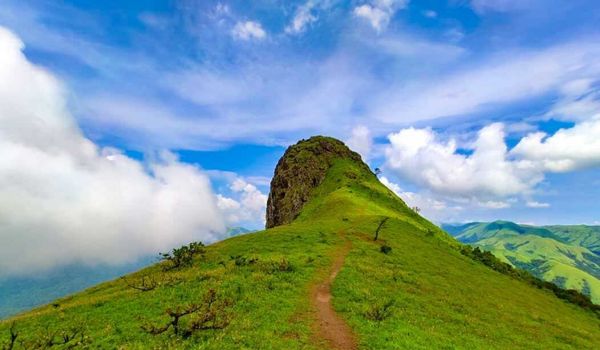
Bangalore's frequent weekend travellers eventually exhaust the obvious Karnataka circuit — Coorg, Mysore, Hampi — and start actively searching for something genuinely less trodden, and this is exactly the audience this guide is built for. Sakleshpur, often mentioned only in passing on generic "weekend trips" lists, deserves proper attention for its coffee estates, the scenic Green Route trek along an old railway line, and the star-shaped Manjarabad Fort. Agumbe, sometimes called the "Cherrapunji of South India" for its exceptional rainfall, offers a genuinely different Western Ghats experience defined by dense forest and dramatic monsoon intensity. Yana Caves, a cluster of striking limestone rock formations near Gokarna, remains surprisingly unknown despite sitting close to one of Karnataka's most popular coastal destinations. Kudremukh National Park offers serious trekking terrain for travellers who've outgrown gentler hill-station walks, while Banavasi, one of Karnataka's oldest temple towns, and Lakkundi, with its comparatively unexplored temple architecture, both give heritage-focused travellers something genuinely different from the well-worn Hampi circuit. This content works less as a hard-sell and more as proof of genuine local expertise — the kind of knowledge that separates a real travel operator from a template-driven listicle site. This guide covers each destination's appeal, practical access details, and how to plan a trip built around these lesser-known Karnataka gems.
Frequently Asked Questions
01. What are the best offbeat places near Bangalore?
01. What are the best offbeat places near Bangalore?
Sakleshpur stands out as one of the best offbeat places genuinely close enough to Bangalore for a comfortable weekend trip, offering coffee estates, the scenic Green Route railway trek, and Manjarabad Fort within a manageable distance that doesn't demand the longer commitment that destinations like Agumbe or Yana Caves require. Antharagange, in Kolar district, offers a genuinely different offbeat experience within an even shorter drive, featuring volcanic rock formations, cave exploration, and even night-trekking options for travellers seeking something more adventurous than a typical viewpoint visit. For travellers willing to venture slightly further, the broader Chikmagalur district's less-visited corners — areas beyond the standard Mullayanagiri circuit, extending toward Kudremukh — offer genuinely offbeat trekking terrain that most standard Chikmagalur itineraries don't cover. Banavasi, one of Karnataka's oldest temple towns, provides an offbeat heritage alternative for travellers who've already done Hampi and want something historically significant but far less crowded. What unites these offbeat picks is that each offers a genuine point of difference from the standard Bangalore weekend circuit — a unique geological feature, a specialist trekking experience, or overlooked historical significance — rather than simply being a slightly less popular version of a well-known destination. For travellers specifically seeking novelty and fewer crowds within a reasonable driving distance, these offbeat picks deliver a meaningfully different experience from Coorg or Mysore.
02. Is Agumbe worth visiting?
02. Is Agumbe worth visiting?
Yes, Agumbe is genuinely worth visiting for travellers drawn to dense, dramatic Western Ghats scenery and a distinctly different atmosphere from Karnataka's more polished hill-station destinations. Known as the "Cherrapunji of South India" for its exceptionally heavy rainfall, Agumbe offers a lush, biodiversity-rich forest environment that feels considerably wilder and less manicured than Coorg or Chikmagalur's coffee-estate landscapes, appealing strongly to nature enthusiasts, wildlife photographers, and travellers specifically seeking an offbeat, less commercially developed destination. The region is particularly known among wildlife enthusiasts for its King Cobra population and broader herpetological diversity, making it a genuine point of interest for travellers with a specific interest in Western Ghats biodiversity beyond the standard hill-station sightseeing circuit. Agumbe's sunset viewpoint, looking out over the dense forest canopy toward the Arabian Sea in the distance, is a particularly rewarding payoff for travellers making the trip. The honest trade-off is accessibility: Agumbe's extremely heavy rainfall, especially during peak monsoon, can make roads genuinely difficult to navigate, and the destination generally offers fewer polished tourist amenities than more developed hill stations, meaning it suits travellers prioritising genuine, less-commercialised nature experiences over comfort and convenience. For travellers specifically seeking something meaningfully different from the standard Coorg-Chikmagalur circuit, and comfortable with a more rustic, less tourist-oriented destination, Agumbe delivers a genuinely worthwhile and memorable offbeat experience.
03. How do I reach Yana Caves?
03. How do I reach Yana Caves?
Yana Caves are located in the Uttara Kannada district, roughly 50 kilometres from Gokarna, making them a genuinely easy addition to a Gokarna trip for travellers with an extra day to spare rather than requiring a separate dedicated journey. The most common way to reach Yana is by private vehicle or hired taxi from Gokarna, since public transport options to this specific, somewhat remote site are limited and less predictable in schedule compared to the well-connected routes between Karnataka's more mainstream tourist destinations. The drive itself passes through scenic Western Ghats forest terrain, and once at the site, reaching the actual limestone rock formations — the distinctive Bhairaveshwara and Mohini Shikhara formations that give Yana its name and geological fame — requires a short walk from the vehicle parking area through forest trail, which is manageable for most reasonably fit visitors without demanding serious trekking fitness. Visiting during or shortly after monsoon rewards travellers with a particularly lush, green forest setting surrounding the striking, dark limestone formations, though the access road can be more challenging to navigate during the very heaviest rain spells, making the immediate post-monsoon period (October–November) a good compromise between lush scenery and manageable road access. Given the relative remoteness and limited amenities at the site itself, carrying water and starting the visit reasonably early in the day, rather than late afternoon, is a sensible practice for a comfortable Yana Caves visit.
04. Is Kudremukh good for trekking?
04. Is Kudremukh good for trekking?
Yes, Kudremukh National Park is widely regarded as one of Karnataka's premier serious trekking destinations, offering genuinely rugged, high-altitude Western Ghats terrain that appeals strongly to experienced trekkers who've outgrown gentler hill-station walks like those found in standard Coorg or Chikmagalur itineraries. The park's landscape combines rolling grassland peaks with dense shola forest, creating a distinctive trekking environment that differs meaningfully from the more forested, lower-elevation trails found elsewhere in the region, and its status as a protected national park means trekking here operates under a more regulated framework than casual hill walks. As with Kumara Parvatha, treks within Kudremukh National Park require a Forest Department permit through the Aranya Vihara portal, reflecting both the ecological sensitivity of the protected area and the genuine physical demands of trekking here, which aren't suitable for complete beginners without prior hiking experience. The best trekking season, similarly, falls within the dry months of roughly October through February, when permits are actually issued and trail conditions are safest, with permits generally unavailable during monsoon and often restricted during peak summer heat as well. Trekkers specifically interested in Kudremukh should check current permit availability and any group-size restrictions well ahead of a planned trip, ideally working with an experienced local trekking operator familiar with the park's specific regulations, given how much more involved the planning process is here compared to a casual, unregulated day hike elsewhere in Karnataka.
05. Are these offbeat places family-friendly?
05. Are these offbeat places family-friendly?
This varies considerably across the specific offbeat destinations covered in this guide, and being honest about which suit families versus which don't is more useful than a blanket yes or no. Sakleshpur is genuinely family-friendly, with gentle coffee estate walks and an accessible fort visit at Manjarabad that don't demand serious physical exertion, making it comfortably suitable for families with children of most ages. Banavasi, as a temple town, similarly suits family visits well, given its relatively gentle sightseeing pace centred around temple architecture and local heritage rather than physically demanding activity. Yana Caves involves a moderate walk to reach the formations, which works reasonably well for families with older children but may be more challenging for those travelling with very young kids or less mobile elderly relatives. Kudremukh National Park, given its genuinely serious trekking terrain and forest department permit requirements, is generally not suitable for family trips with young children, and is better reserved for adult or teen trekking groups with appropriate fitness levels. Agumbe similarly suits more adventurous, nature-focused travellers rather than families seeking an easy, low-exertion trip, given its remote character and limited polished tourist amenities. The practical takeaway for families interested in offbeat Karnataka is prioritising Sakleshpur and Banavasi as the more accessible picks, while treating Kudremukh and Agumbe as better suited to adult or more adventure-focused travel groups.
06. What is the best season for offbeat Karnataka trips?
06. What is the best season for offbeat Karnataka trips?
The best season varies meaningfully depending on which specific offbeat destination you're targeting, since these places span quite different terrain and climate characteristics across the state. Sakleshpur works well year-round, with a distinct monsoon-specific appeal for its Green Route trek, which takes on a genuinely different, greener character during the rains (roughly July–September), alongside a comfortable winter sightseeing window (October–February) for travellers preferring drier conditions. Agumbe, given its extraordinarily heavy rainfall, is arguably at its most dramatically atmospheric during monsoon itself, though this same intensity makes road access genuinely more difficult during the heaviest spells, making the immediate post-monsoon period a reasonable compromise for travellers wanting the lush scenery without the peak access challenges. Yana Caves similarly rewards a post-monsoon visit (October–November) for the best balance of lush surroundings and manageable road conditions. Kudremukh's trekking season is more rigidly defined by its forest department permit system, which only issues permits during the dry October-through-February window, making trip timing here a hard constraint rather than a matter of preference. Banavasi and Lakkundi, as heritage-focused destinations without significant weather-dependent activities, are comfortably visitable across most of the year, though the cooler October-to-February window remains more pleasant than peak summer heat for extended outdoor temple exploration. Checking each specific destination's seasonal character individually, rather than applying one blanket season across this varied group of offbeat picks, produces better-planned trips.
07. Do offbeat places have good accommodation?
07. Do offbeat places have good accommodation?
Accommodation quality and availability vary considerably across these offbeat destinations, and setting realistic expectations here matters more than for Karnataka's mainstream tourist circuit. Sakleshpur has developed a reasonably solid homestay and guesthouse scene, given its rising popularity as a "quieter alternative to Coorg," offering genuinely comfortable options across a range of budgets, from simple guesthouses to more developed coffee-estate stays. Banavasi and Lakkundi, being smaller heritage towns rather than established tourist hubs, generally offer more limited accommodation options — often basic guesthouses or lodges rather than polished resorts — meaning travellers prioritising comfort and amenities may find these destinations better suited to a day trip from a nearby larger town rather than an extended overnight stay. Agumbe and Yana Caves similarly offer fairly limited, rustic accommodation options given their remote, less commercially developed character, with a handful of basic homestays or forest department guesthouses typically representing the available choices rather than a wide range of options. Kudremukh, given its national park status and trekking focus, offers accommodation primarily geared toward trekkers — basic lodges or forest rest houses — rather than leisure-focused resort stays. The general pattern across offbeat Karnataka destinations is that accommodation trades polish and amenity range for authenticity and lower cost, which suits travellers prioritising genuine, unpolished experiences over five-star comfort, but may disappoint those expecting resort-level facilities matching what's available in more developed destinations like Coorg.
08. Can I customize a trip to these lesser-known spots?
08. Can I customize a trip to these lesser-known spots?
Yes, and customization is genuinely the recommended approach for offbeat Karnataka travel rather than trying to fit these destinations into a rigid, pre-packaged itinerary, since each of these places has quite different logistics, seasonal considerations, and accessibility requirements that benefit from individual planning rather than a one-size-fits-all package. A custom itinerary allows travellers to combine offbeat picks that genuinely complement each other geographically — pairing Yana Caves with a broader Gokarna trip, for instance, or combining Sakleshpur with a Chikmagalur extension — rather than forcing together destinations that don't naturally sit along the same route. Customization also allows for realistic pacing based on which specific offbeat destinations are involved, since a trip built around Kudremukh's serious trekking terrain requires meaningfully different planning, permits, and fitness preparation than a gentler Sakleshpur-and-Banavasi heritage-and-coffee-estate combination. For travellers specifically drawn to this offbeat, less-touristy segment of Karnataka travel, working with a travel agency or operator who can build a genuinely tailored itinerary — accounting for individual destination logistics, seasonal timing, and realistic accommodation expectations — tends to produce a considerably smoother experience than attempting to piece together a multi-destination offbeat trip independently from limited, scattered online information. This is precisely the kind of higher-touch, bespoke travel planning that suits repeat Karnataka travellers who've already done the standard circuit and want something genuinely tailored to their specific offbeat interests.