Hampi–Badami–Pattadakal: Karnataka's UNESCO Heritage Circuit
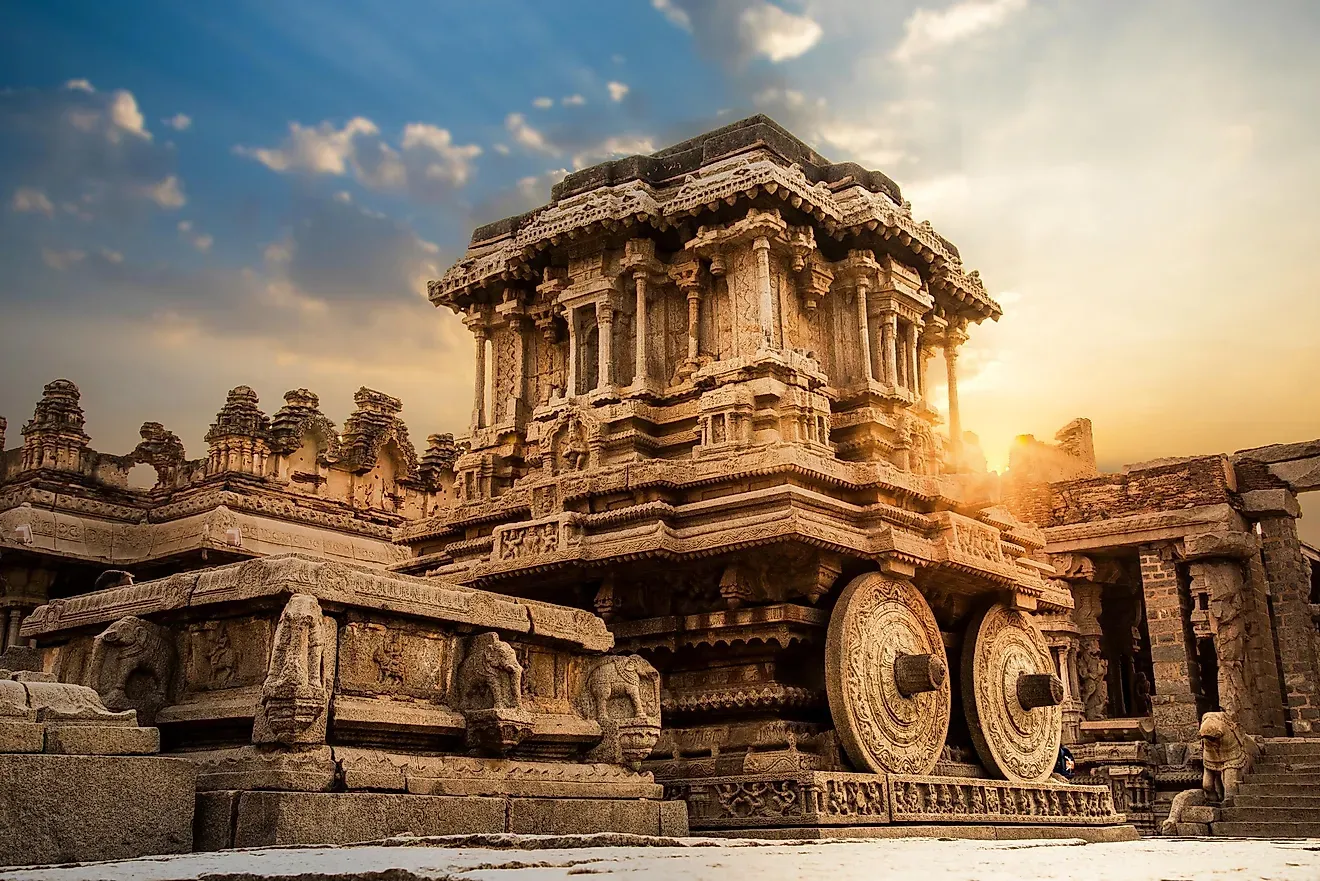
Hampi rightly draws the most attention among Karnataka's heritage destinations, but travellers who stop there are missing an equally significant, far less crowded extension into North Karnataka's older architectural history. Badami, roughly a few hours' drive from Hampi, is famous for its rock-cut cave temples carved directly into sandstone cliffs above the scenic Agastya Lake, representing an earlier Chalukya-dynasty style distinct from Hampi's later Vijayanagara-era ruins. Extending further, Pattadakal — a UNESCO World Heritage Site in its own right — showcases a fascinating cluster of eighth-century temples blending North and South Indian architectural styles side by side, while nearby Aihole, sometimes called the "cradle of Indian temple architecture," remains comparatively unexplored despite its genuine historical significance. Together, these four sites form a complete UNESCO heritage circuit spanning centuries of South Indian temple architecture, giving serious history and culture travellers a far deeper experience than a standard Hampi-only trip. A realistic itinerary typically allocates two days to Hampi's Sacred and Royal Centers, followed by a day for Badami and a further day covering Pattadakal and Aihole together — a four-day circuit rather than a rushed add-on. This guide lays out distances, the best time to visit North Karnataka, where to stay along the route, and whether hiring a local historian-guide is genuinely worth it for this deeper heritage experience.
Frequently Asked Questions
01. How many days does the full circuit take?
01. How many days does the full circuit take?
A well-paced full circuit covering Hampi, Badami, Pattadakal, and Aihole typically takes four days in total, allocating two days to Hampi's extensive Sacred and Royal Centers given how spread out and substantial the ruins are, followed by a dedicated day for Badami's cave temples and the scenic Agastya Lake area, and a final day covering both Pattadakal and Aihole together, since these two sites sit close enough to each other to comfortably combine into a single day of temple-architecture exploration. Travellers with more time available, particularly serious history and architecture enthusiasts, sometimes extend this further to five or six days, adding extra time at Hampi specifically or building in a more leisurely pace between the North Karnataka heritage sites rather than covering Pattadakal and Aihole in a single, somewhat rushed day. For travellers with more limited time, a compressed three-day version is possible by allocating just one full day to Hampi rather than two, though this means accepting a considerably more rushed experience of a site that genuinely rewards unhurried exploration. Given the driving distances involved between each destination in this circuit, attempting to compress the entire route into fewer than three days isn't realistic without sacrificing meaningful time at each individual site, which somewhat defeats the purpose of undertaking this deeper heritage circuit in the first place. Four days remains the recommended sweet spot for most travellers.
02. What is the distance from Hampi to Badami?
02. What is the distance from Hampi to Badami?
The driving distance from Hampi to Badami runs roughly 130 to 150 kilometres depending on the exact route taken, typically requiring around three to four hours by road, making it a comfortable half-day drive that leaves ample time for sightseeing at the Badami end once you arrive. This relatively manageable distance is exactly what makes combining the two destinations into a single extended circuit so practical, rather than treating Badami as an entirely separate, far-flung trip requiring its own dedicated journey from Bangalore. The route generally passes through typical North Karnataka countryside, with reasonably maintained roads connecting the two historic regions, though as with any road trip in this part of the state, starting the drive reasonably early in the day helps avoid the more intense midday heat, particularly during the warmer months. Most travellers doing this combined circuit treat the Hampi-to-Badami drive as a transition day, departing Hampi after a final morning of sightseeing and arriving in Badami with enough afternoon daylight remaining to explore at least some of the cave temples before settling in for the evening. From Badami, the onward drive to Pattadakal and Aihole is considerably shorter, generally under an hour, since these three North Karnataka heritage sites sit in fairly close proximity to one another, unlike the more substantial Hampi-to-Badami leg that opens the extended circuit.
03. Are Badami cave temples open all year?
03. Are Badami cave temples open all year?
Yes, the Badami cave temples remain open to visitors throughout the year, without the seasonal closures that apply to certain wildlife sanctuaries or high-altitude trekking routes elsewhere in Karnataka, meaning travellers can visit this heritage site regardless of season without worrying about access restrictions. That said, the practical experience of visiting varies considerably by season, and this matters more here than the simple question of whether the site is technically open. North Karnataka, including Badami, experiences genuinely intense heat during the summer months of March through May, often exceeding comfortable levels for extended outdoor exploration of the cave temples and surrounding cliffs, making a summer visit considerably more physically taxing than the same trip during cooler months. October through February offers by far the most comfortable visiting conditions, with manageable daytime temperatures well suited to spending several unhurried hours exploring the caves, the temple complex, and the scenic views over Agastya Lake without the exhaustion that summer heat brings. Monsoon (roughly June through September) brings moderate rainfall to this generally drier part of Karnataka compared to the Western Ghats, and while the caves themselves remain accessible, the surrounding landscape takes on a notably greener character than the dry, arid look most visitors associate with Badami. For the most comfortable and enjoyable visit, October through February remains the clear recommendation, even though the site technically welcomes visitors year-round.
04. Is this circuit suitable for a family trip?
04. Is this circuit suitable for a family trip?
This circuit can work well for families, though it suits families with older, school-age children considerably better than those with very young kids or toddlers, given the genuine walking involved at each site and the often intense heat across much of North Karnataka outside the cooler winter months. Hampi's mix of dramatic ruins and genuinely engaging mythology, including its connection to the Ramayana, tends to capture school-age children's imagination well, particularly with a good guide bringing the stories to life, and this same appeal generally extends to Badami's cave temples, which offer a visually striking, almost adventure-like exploration experience that children often enjoy. Pattadakal and Aihole, while historically significant, are somewhat more specialist destinations focused on architectural history and detail, and families with children less interested in temple architecture specifically may find these two sites less immediately engaging compared to Hampi and Badami's more dramatic, visually obvious appeal. The practical family consideration that matters most across this entire circuit is heat management — scheduling sightseeing for cooler early morning and late afternoon hours, and choosing the October-to-February travel window specifically, makes a considerably bigger difference to family comfort here than for many other Karnataka itineraries, given how genuinely hot North Karnataka gets outside this window. With sensible timing and realistic expectations about which sites will most engage younger family members, this circuit makes for a genuinely memorable family heritage trip.
05. What makes Pattadakal a UNESCO site?
05. What makes Pattadakal a UNESCO site?
Pattadakal earned its UNESCO World Heritage Site status specifically because of its unique cluster of eighth-century temples that showcase a genuinely rare architectural fusion — a side-by-side blending of North Indian (Nagara) and South Indian (Dravidian) temple architectural styles within a single, compact site, representing a pivotal moment in the historical development of Indian temple architecture under the Chalukya dynasty. This architectural experimentation is considered historically significant because Pattadakal essentially served as a testing ground where architects and craftsmen explored and refined both major Indian temple-building traditions in close proximity, creating a site where visitors can directly compare and contrast the two distinct styles within a single visit rather than travelling to separate regions to see each tradition individually. The temple complex includes several well-preserved structures showcasing intricate carving and sculptural work depicting Hindu mythology and epics, reflecting the sophisticated artistic and religious culture of the Chalukya period that predates both the later Vijayanagara-era Hampi and the neighbouring Badami cave temples. Pattadakal's relatively compact scale compared to Hampi's sprawling ruins makes it a manageable, focused visit — typically requiring just a few hours rather than a full day — while still offering genuine depth for history and architecture enthusiasts. Its UNESCO recognition specifically highlights this architectural fusion aspect, making Pattadakal a particularly rewarding stop for travellers with a genuine interest in the technical and stylistic evolution of Indian temple design.
06. Can this be combined with a Goa trip?
06. Can this be combined with a Goa trip?
Yes, combining this North Karnataka heritage circuit with a Goa extension is a genuinely popular option for travellers with enough time available, since Badami and the broader Hampi-Badami-Pattadakal region sit within a reasonable driving or train distance of Goa, making it feasible to link the two into a single, longer trip covering both heritage sightseeing and beach relaxation. Most travellers doing this combination treat the heritage circuit as the first leg of the trip — covering Hampi, Badami, Pattadakal, and Aihole over roughly four days — before continuing onward to Goa for a few days of beach time, effectively using the heritage circuit as a culturally rich prelude to a more relaxed coastal finish, or alternatively reversing the order depending on personal preference and flight or train logistics. The combined trip works particularly well for travellers flying into or out of Goa's airport, since this creates a natural entry or exit point for the broader circuit without requiring a return trip all the way back to Bangalore. Total trip duration for this combined itinerary typically runs seven to ten days depending on how much time is allocated to each leg, making it more suited to travellers with a longer holiday period — an extended weekend won't comfortably accommodate both components. For travellers specifically drawn to this dual heritage-and-beach combination, planning transport logistics between the North Karnataka heritage sites and Goa well in advance is worthwhile, since this isn't a heavily trodden combined route with abundant direct transport options.
07. Do I need a guide for Badami and Aihole?
07. Do I need a guide for Badami and Aihole?
A guide isn't strictly required for physical access to either Badami or Aihole, both of which are generally safe and straightforward to explore independently, but a knowledgeable local guide adds substantial value at both sites specifically because their historical and architectural significance isn't always obvious without context. Badami's cave temples feature detailed carvings and sculptural work depicting specific Hindu deities and mythological scenes that a guide can meaningfully explain, transforming what might otherwise look like impressive but somewhat generic ancient carving into a much richer understanding of the site's religious and artistic history under the Chalukya dynasty. Aihole, often overlooked by travellers without a guide precisely because its significance as the "cradle of Indian temple architecture" isn't immediately apparent from casual observation, benefits even more from expert context, since understanding why this particular cluster of relatively modest-looking temples matters so much to the history of Indian architecture genuinely requires some explanation that most visitors won't have without one. Local guides at both sites are generally available to hire on arrival, though arranging one in advance through a travel operator or your accommodation, particularly if you want a guide with strong English-language historical knowledge, tends to produce a better experience than hoping for last-minute availability. For travellers with a genuine interest in architectural history rather than just checking off a sightseeing list, a guide at both Badami and Aihole is a worthwhile investment.
08. What is the best time to visit North Karnataka?
08. What is the best time to visit North Karnataka?
October through February is unambiguously the best time to visit North Karnataka's heritage circuit, including Badami, Pattadakal, and Aihole, given the region's genuinely intense summer heat that makes outdoor sightseeing considerably more taxing during the warmer months. This cooler window offers comfortable daytime temperatures well suited to spending extended time exploring open-air temple complexes and cave sites without the exhaustion and heat-related risk that a March-through-May visit brings, when temperatures across this part of Karnataka can climb to genuinely uncomfortable and even risky levels for prolonged outdoor activity. Within the recommended window, November specifically carries an added bonus for travellers combining this circuit with Hampi, since the Hampi Utsav festival typically takes place during this month, offering a worthwhile cultural draw for those able to time their visit around it. Monsoon (roughly June through September) brings moderate rainfall to this generally drier region compared to Karnataka's Western Ghats, and while the heritage sites themselves remain accessible, the overall sightseeing experience becomes somewhat less comfortable with intermittent rain and higher humidity. For travellers with full flexibility on timing, October through February offers by far the most comfortable, enjoyable conditions for a heritage circuit built around extended outdoor exploration, and travellers should specifically avoid the peak summer months unless genuinely prepared for serious heat management throughout the trip.